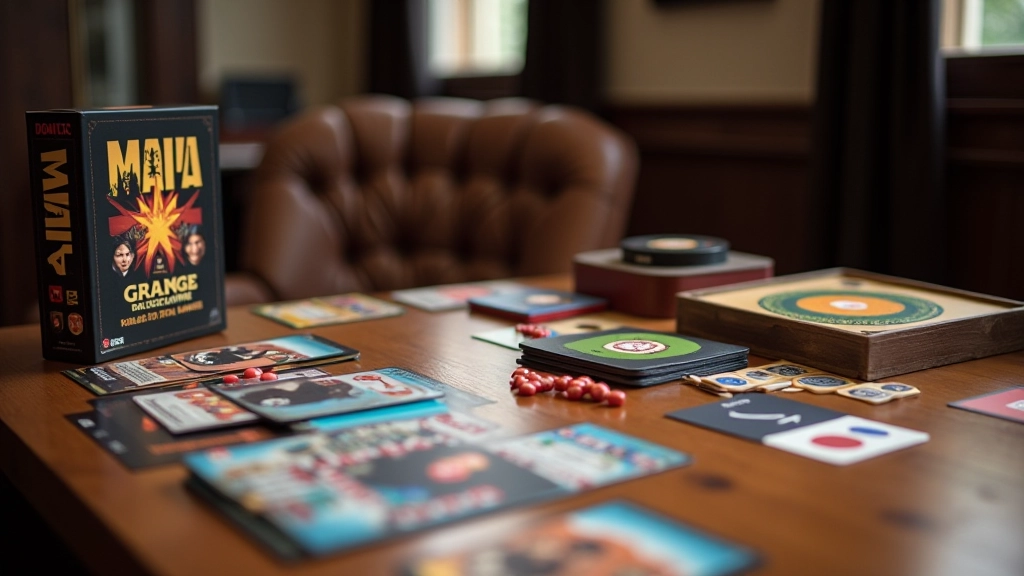
How to Host Your First Mafia Night at Home
Everything you need to know about setup, rules clarification, and keeping your group engaged for the whole night.
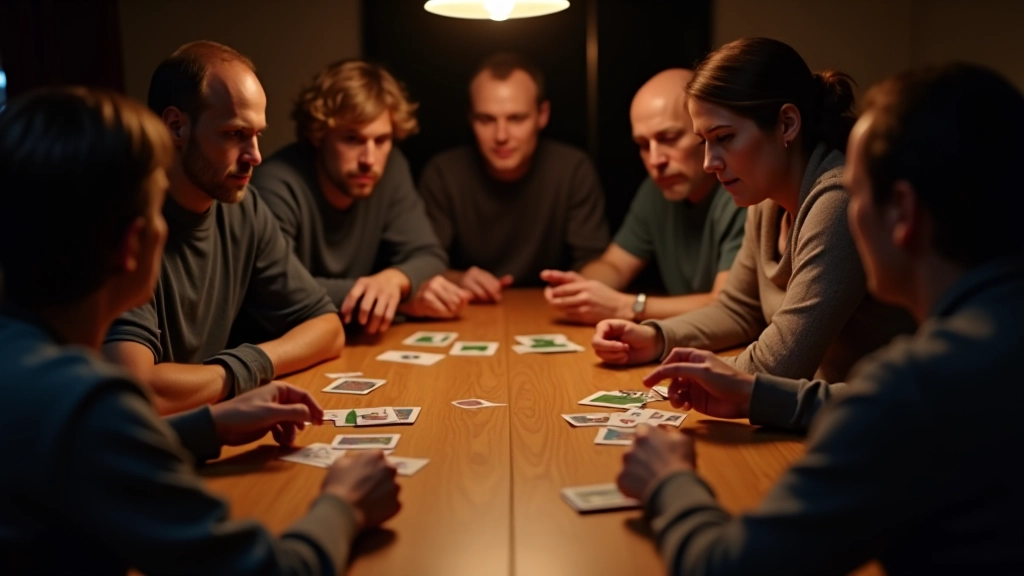
Getting Started With Mafia
You’ve heard about Mafia nights. Friends talk about the tension, the accusations, the unexpected betrayals. Now you’re thinking about hosting one yourself — and you’re wondering where to even start. The good news? It’s not complicated. You don’t need fancy equipment or professional experience. What you do need is a group of people, basic understanding of the rules, and a willingness to let things get a little chaotic.
We’ve hosted dozens of game nights for adults in their 40s and 50s, and we’ve learned what actually works. The biggest mistakes people make aren’t about the rules themselves — they’re about setup and pacing. You’ll want to know how to keep everyone engaged, how to handle disputes without killing the fun, and how to actually finish a game in a reasonable timeframe. That’s what we’re covering here.
What You Actually Need
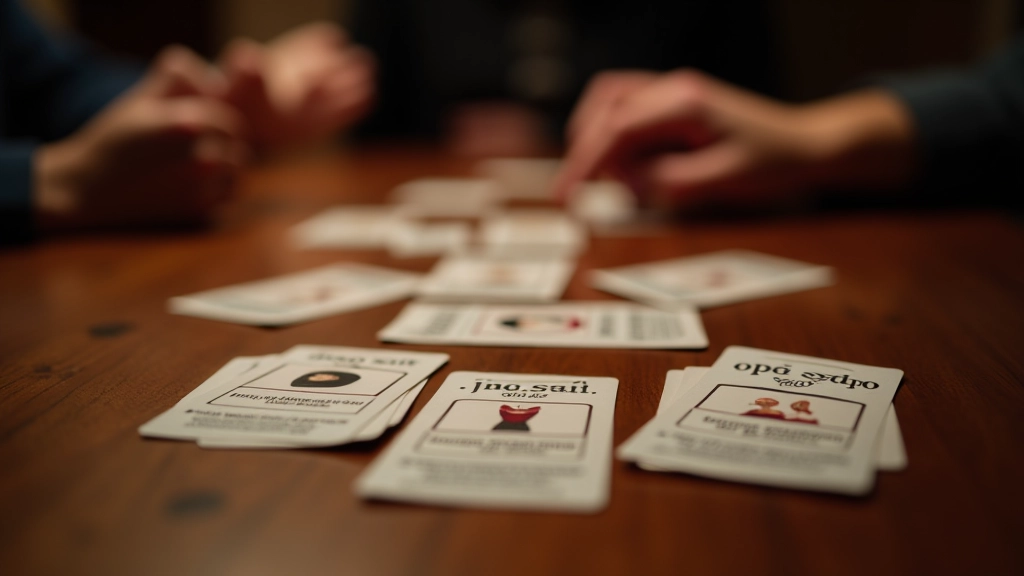
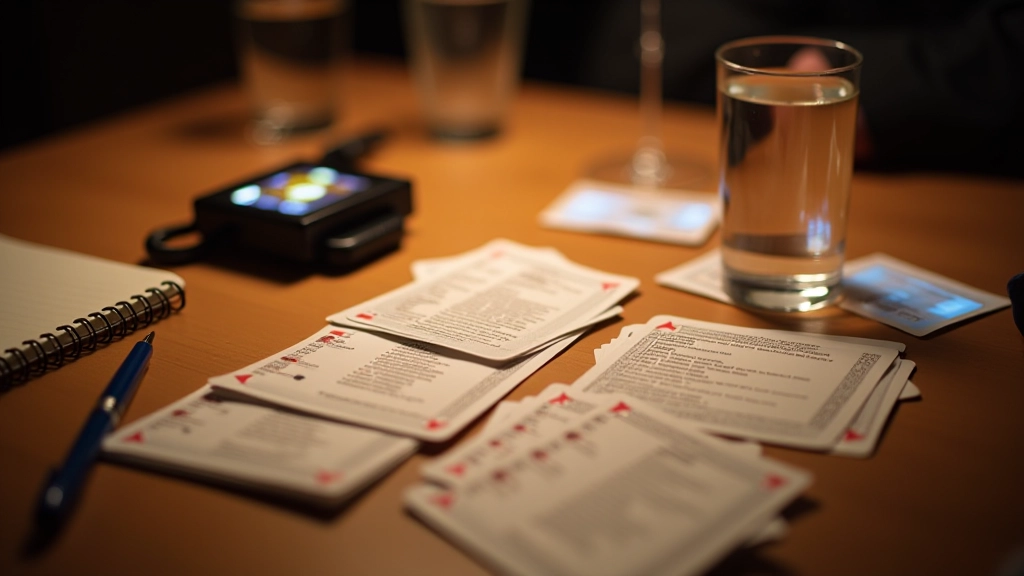
Here’s the thing about Mafia — it doesn’t require much. You need cards (you can print them for free online), a way to track time, and space for everyone to sit in a circle. That’s it. We recommend 7-13 players for your first game. Fewer than 7 and the game moves too fast. More than 15 and it gets hard to manage the discussion.
Get a timer. Your phone works, but a visible kitchen timer is better because everyone can see how much discussion time remains. You’ll also want a notebook to track who’s been accused and who’s been eliminated — trust us, someone will forget. Most importantly, make sure your space allows everyone to see everyone else. Mafia relies on reading people’s faces and reactions.
Assign roles before the game starts. You’re the host, which means you’re not playing — you’re the narrator and rule keeper. This matters more than you’d think. Players need someone neutral they can question about what’s allowed.
Understanding the Core Rules
Mafia is a game of hidden information and deduction. During the day, everyone discusses and votes on who they think is Mafia. During the night, the Mafia secretly chooses someone to eliminate. The town wins if all Mafia members are eliminated. The Mafia wins if they equal or outnumber the town.
Day Phase
Everyone discusses. Anyone can be accused. Players vote on who gets eliminated. You’ll want 3-5 minutes of discussion before voting — this is where the real game happens. Don’t rush it.
Night Phase
Everyone closes their eyes. The Mafia members open their eyes and silently point to someone. That person is eliminated. Everyone opens their eyes and you announce who died. Takes about 30 seconds.

Keeping Your First Game Running Smoothly
The difference between a fun night and a frustrating one comes down to a few hosting decisions.
Set Clear Time Limits
Day discussions should be 3-5 minutes. If you let them go 10 minutes, people get tired and discussions repeat. The pacing matters. Use your timer visibly — everyone knows when time’s almost up.
Explain Roles Before Starting
Spend 10 minutes before the first round explaining what each role does. Mafia members know who each other are. The town doesn’t know anything. That’s the core asymmetry. Make sure everyone gets it.
Stay Neutral as Host
Don’t hint at who’s Mafia or who’s town. Don’t react when someone’s vote is smart or dumb. Your face should be unreadable. Players will watch you for clues — don’t give any.
Play 2-3 Rounds Minimum
The first round is always awkward. People are learning. By round 2 or 3, people get comfortable with the accusations and deception. That’s when it gets fun. Plan for 45 minutes to an hour for 3 complete rounds.
Handle Arguments Firmly
Someone will argue about the rules. Someone will think a vote wasn’t fair. Make a decision and move on. You’re not running a court — you’re hosting a game. Decisions are final once voting ends.
Prepare Snacks and Drinks
People think better when they’re comfortable. Water, coffee, and something light to eat makes a huge difference in how long people stay engaged. Nothing too messy — cards and greasy fingers don’t mix.
Keeping Everyone Engaged From Start to Finish
The biggest mistake hosts make is letting dead players sit quietly for the rest of the game. Once you’re eliminated, you’re out — no voting, no discussion. But that doesn’t mean you should disappear. Ask eliminated players to keep score or help track the timeline. Give them something to do or they’ll get bored and the energy drops.
Watch the group’s energy. If discussions are dragging, cut the timer short. If people are really engaged and want more time, give them another minute. You’re reading the room. Some groups like heated accusations. Others prefer strategic discussion. Adapt to what your group enjoys.
After each round, take 30 seconds to recap what happened. This helps everyone stay oriented and makes the game feel more structured. “The town voted out Sarah, who was Mafia. That means we have 4 Mafia left and 8 town members.” People appreciate knowing exactly where they stand.

Common Variations Worth Knowing
Once you’ve run a couple rounds of standard Mafia, you can experiment with variations that add complexity without breaking the core game.
The Detective Role
One town member can secretly investigate another player at night and learn if they’re Mafia or town. They know information no one else has. It shifts the dynamic because suddenly there’s someone with real power, but the Mafia might kill them before they can share what they learned.
The Doctor Role
A town member can protect one person from being eliminated by the Mafia each night. This gives town members a defensive option and creates strategic tension — should the Doctor protect themselves or someone they trust?
Multiple Mafia Members
In larger groups (12+ people), you can have 3-4 Mafia members instead of 2. This balances the game so the Mafia doesn’t dominate. It’s less fun if Mafia has too much power and the town can’t win.
Ready to Host?
The first game is always the hardest to organize. You’re learning the pacing, figuring out your group’s preferences, and managing the mechanics at the same time. But by round 2, it clicks. You’ll see why Mafia has become such a staple for adult game nights. The strategy, the deception, the social reading — it’s engaging in ways other games aren’t.
Start simple. Don’t add special roles to your first game. Focus on making sure everyone understands the basic rules and that the pacing keeps things moving. Once you’ve run a successful night, you can experiment with variations and customizations. You’ve got this.
Disclaimer
This article provides educational information about hosting Mafia game nights. While the strategies and tips shared are based on common hosting practices, every group is different and your experience may vary. Mafia is a social game best played among people who understand it’s meant to be fun and lighthearted. Always ensure all players are comfortable with the game format and competitive nature before starting. We recommend reading the official Mafia game rules from your game’s publisher for the most accurate rule set.
Related Articles